
Why Proper Paint Preparation Matters for a Beautiful, Long-Lasting Finish
A quality paint job involves much more than choosing a color and applying a new coat of paint. The preparation completed before painting often determines how smooth the finished surface looks and how long the paint will last.
At Navajo Painting, we believe proper preparation is one of the most important parts of
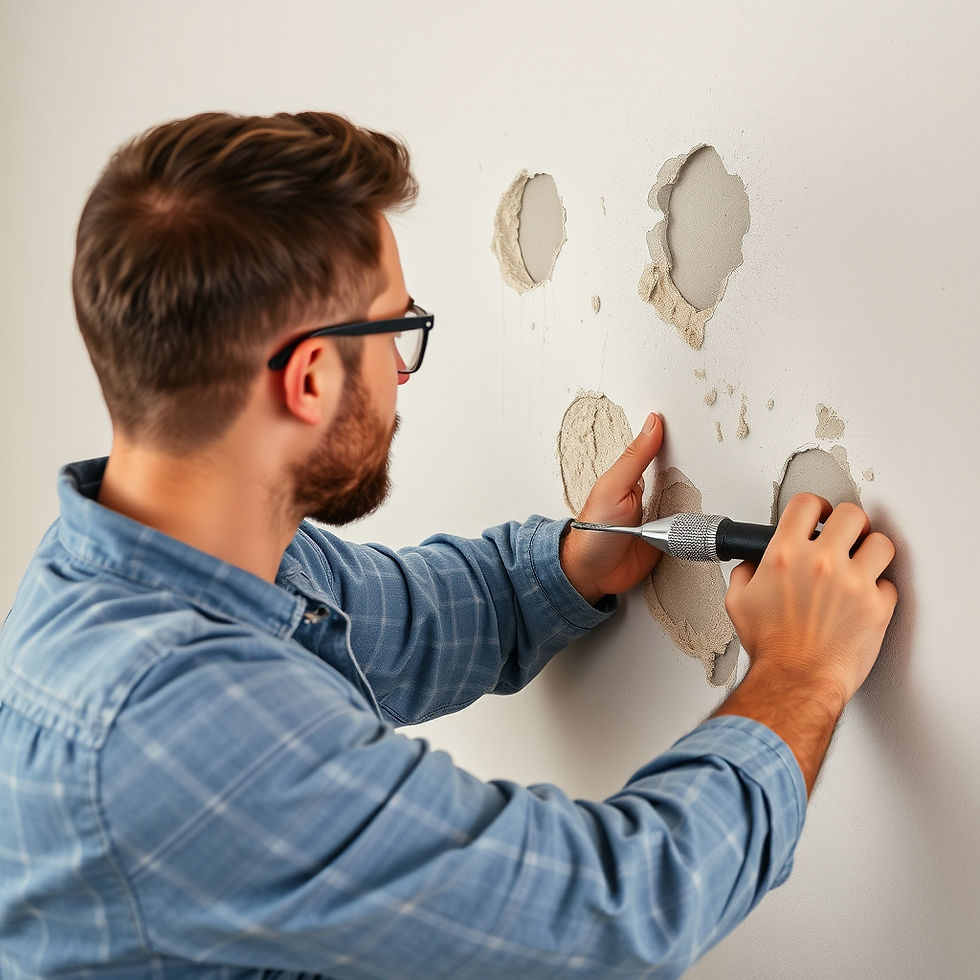
Every residential and commercial painting project. Whether we are painting one interior room, the exterior of a home, or an entire commercial property, careful preparation helps create a professional and durable finish.
What Does Paint Preparation Include?
Every surface is different, so the preparation process depends on the condition of the walls, trim, siding, doors, or other areas being painted. Common preparation steps may include:
Protecting flooring, furniture, landscaping, and surrounding surfaces
Cleaning dirt, dust, grease, mildew, and residue
Scraping away loose, peeling, or flaking paint
Sanding rough or uneven areas
Filling nail holes, cracks, and minor surface damage
Caulking gaps around trim, windows, doors, and baseboards
Applying primer when needed
Making sure the surface is clean and dry before painting
Skipping these steps may save time initially, but it can lead to peeling, bubbling, uneven coverage, visible imperfections, and the need to repaint sooner.
Preparation Helps Paint Adhere Properly
Paint performs best when it is applied to a clean, stable, and properly prepared surface. Dirt, moisture, grease, and loose paint can prevent the new coating from bonding correctly.
When the surface is prepared properly, the paint is more likely to adhere evenly and remain in place. This is especially important for exterior painting projects in Middle Tennessee, where painted surfaces are exposed to sunlight, humidity, rain, and fluctuating temperatures year-round.
A Smooth Surface Creates a Better Finish
Fresh paint does not hide every imperfection. In some cases, it can make cracks, dents, rough areas, and poorly repaired patches more noticeable.
Sanding, patching, and priming help create a smoother foundation before the finish coats are applied. Proper preparation can make walls, ceilings, trim, cabinets, doors, and exterior surfaces look cleaner and more professionally finished.
Proper Preparation Can Extend the Life of the Paint
A professionally painted surface should continue looking good long after the project is complete. Proper preparation helps reduce premature peeling, cracking, blistering, and flaking.
This can be especially valuable for exterior surfaces that receive direct sunlight or frequent exposure to moisture. Taking the time to prepare the surface properly can protect your investment and reduce how often the property needs repainting.
Interior and Exterior Preparation Are Different
Interior painting preparation often focuses on protecting the home and repairing visible surface imperfections. Furniture may need to be moved, floors covered, nail holes filled, trim caulked, and walls cleaned before painting begins.
Exterior preparation may require additional work, including pressure washing, scraping loose paint, sanding weathered surfaces, repairing minor damage, and checking for moisture-related problems. Exterior surfaces must also be completely dry before paint is applied.
Comments